
Understanding Your Knees: Alignment, Function, and Movement

Person doing a yoga pose, showing the knee

Your knees quietly guide your body through every step, squat, or bend. Paying attention to how they track and bear weight can reveal patterns that influence your posture, movement efficiency, and comfort. If you want to explore how your knees affect overall alignment and function, consider osteopathy sessions to support movement and joint health.

The knee connects the hip to the ankle and plays a pivotal role in absorbing shock, transferring forces, and maintaining balance. Proper alignment allows the quadriceps, hamstrings, glutes, and calf muscles to work efficiently, reducing strain on ligaments, cartilage, and surrounding tissues. When alignment is off, the kinetic chain is affected, sometimes leading to ankle, hip, or lower back discomfort. For a medically reviewed overview of knee structure and function, see this article from the Cleveland Clinic.
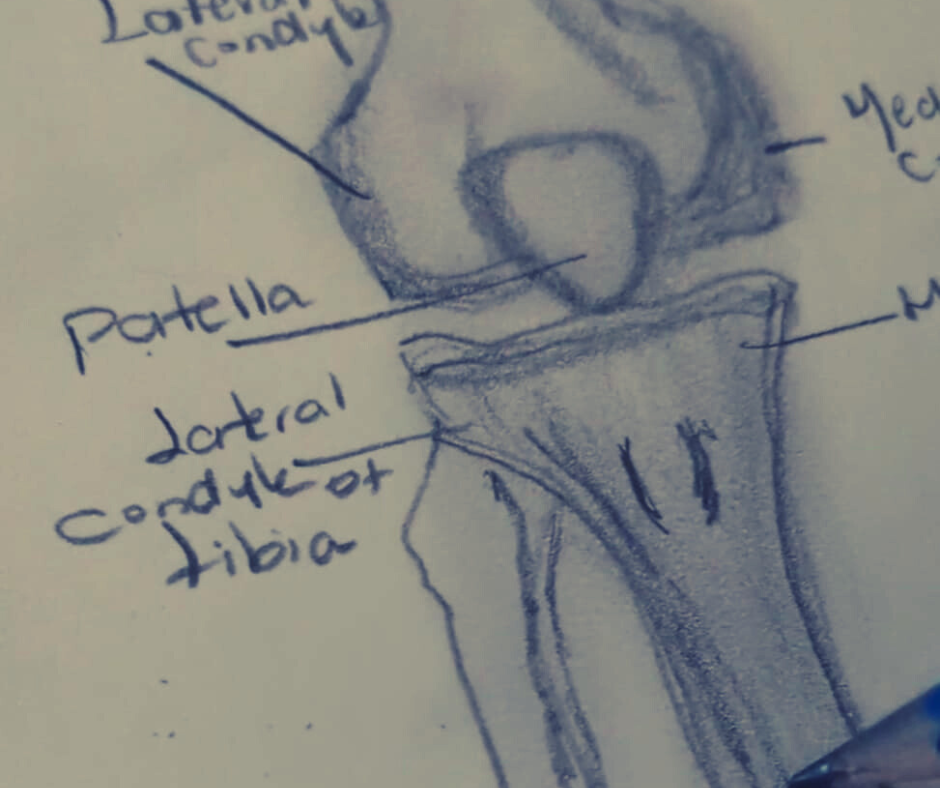
One of the body’s largest joints, supporting every step @Claudia Hoyos

Healthy knees track in a natural line from the hip to the ankle. Observing weight distribution during standing or movement can reveal subtle compensations. For example, knees that collapse inward (valgus) or bow outward (varus) can affect hip, ankle, and spine alignment. Gentle awareness and movement can support alignment and reduce strain on the knee joint.
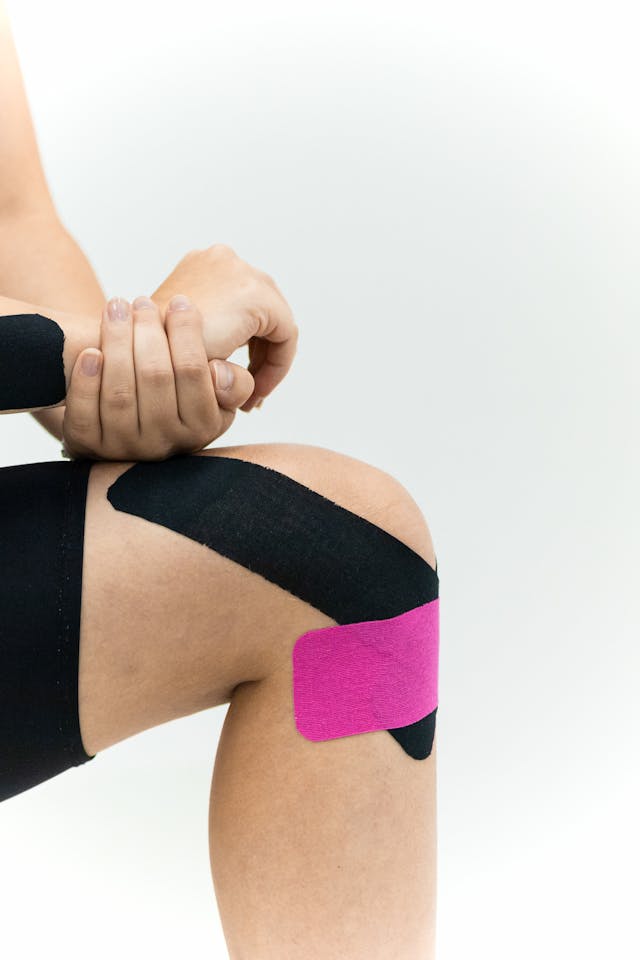
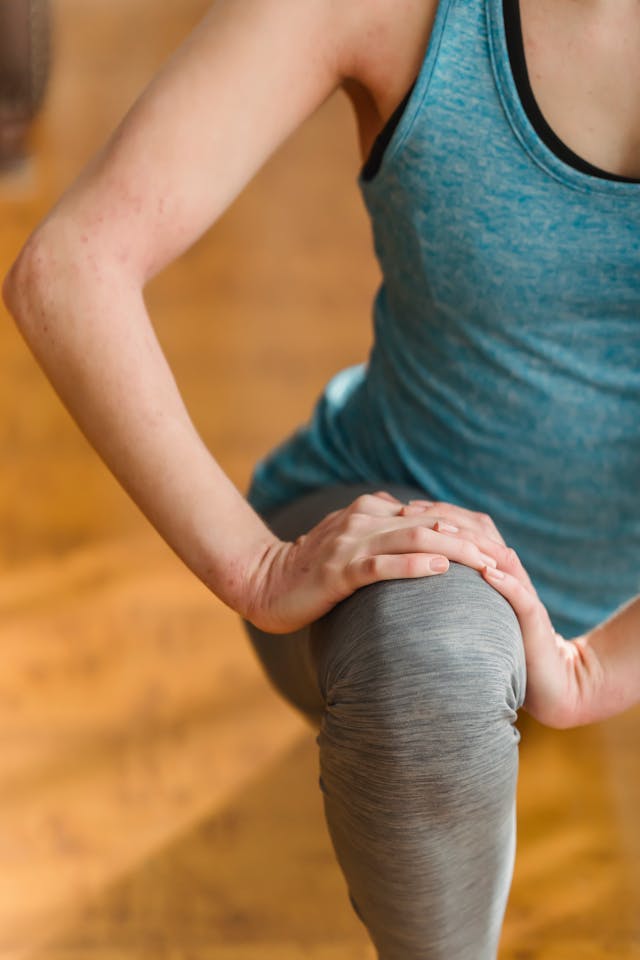
Knee alignment influences posture, stability, and movement efficiency. @Maksim Goncharenok

Common Knee Alignment Patterns

Valgus – Knees Collapsing Inward
When the knees angle inward, weight shifts unevenly through the joint, which can strain the inner knee, hips, and feet. This pattern often shows during squats, lunges, or standing postures. Recognizing this early can help improve alignment and prevent discomfort. Learn more about supporting proper knee alignment in our Alignment and Postural Integration Sessions.

Varus – Knees Bowing Outward
Weight shifts to the outer knee and may overwork the lateral joint structures. This can affect hip and ankle mechanics over time. Gentle exercises, strengthening, and awareness of knee tracking can protect the joint and maintain mobility.

Hyperextension – Locked Knees
Knees that lock or hyperextend under weight can reduce shock absorption and increase strain on ligaments and surrounding tissues. Observing and correcting movement patterns, along with strengthening stabilizers like the quadriceps and glutes, can support safe function.

Why Knee Alignment Matters

Good knee alignment helps distribute forces evenly, protects cartilage, supports balance, and integrates with hip, ankle, and spine mechanics. It enhances comfort in daily activities, workouts, and posture, helping the entire body move with ease and stability.

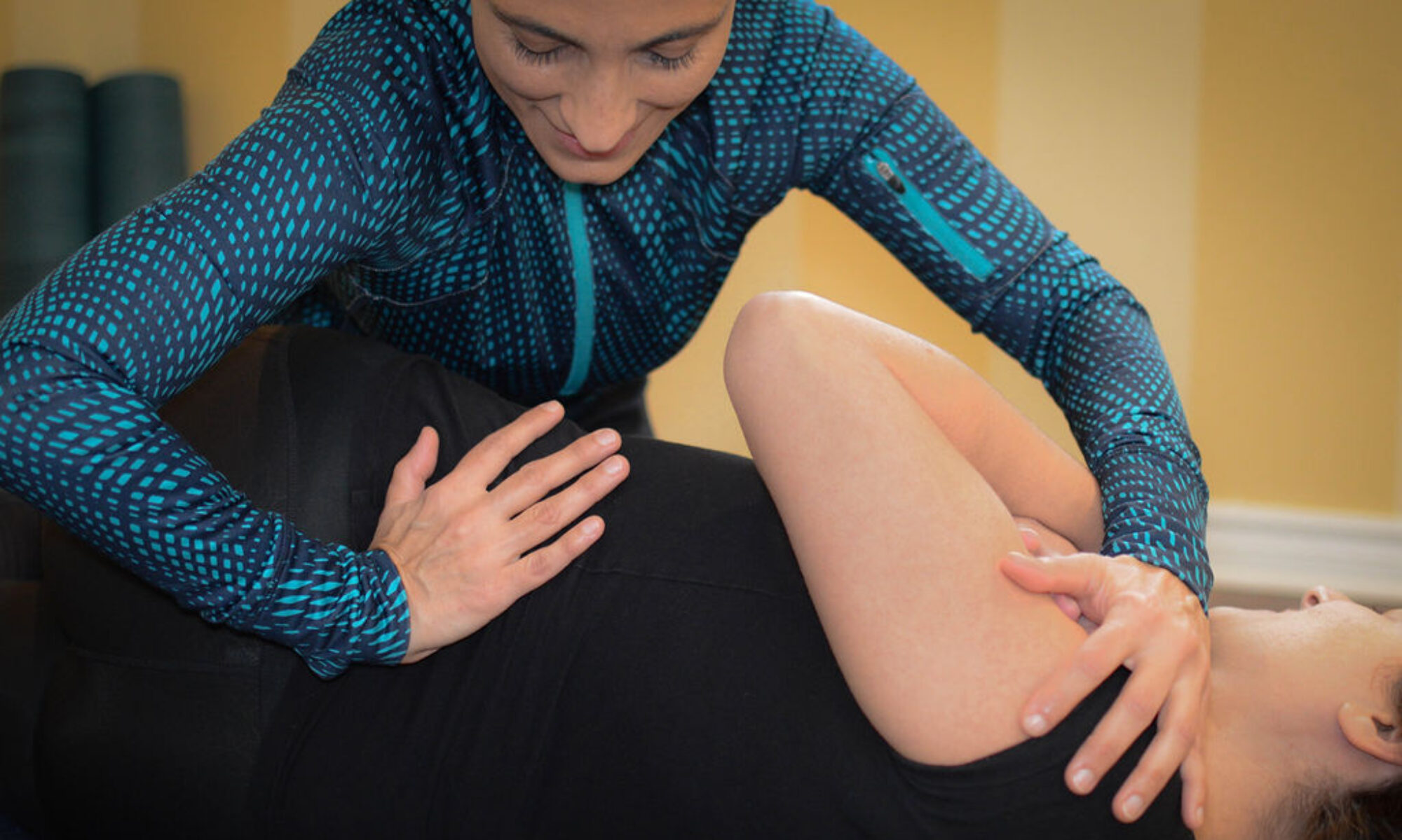
Your knees carry your story with every movement. Paying attention to how they track and bear weight can reveal patterns that affect comfort and overall function. Gentle approaches in movement, touch, or mindful practice- from Alignment and postural Integration, Osteopathy, and Yoga– can help you maintain healthy knees.

References

Kapandji, I. A. The Physiology of the Joints, Volume 2: Lower Limb. Churchill Livingstone.

Myers, T. W. Anatomy Trains: Myofascial Meridians for Manual Therapists & Movement Professionals. Elsevier.

Neumann, D. A. Kinesiology of the Musculoskeletal System. Elsevier.
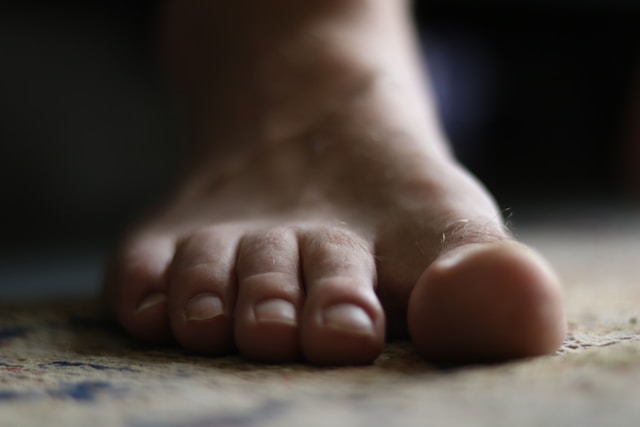
What Your Feet Are Trying to Tell You 

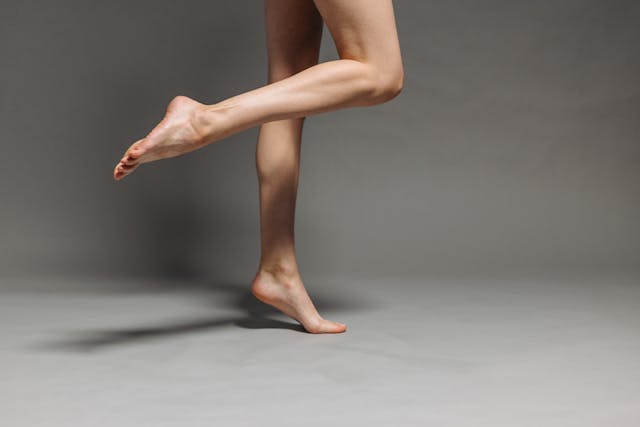
Every step tells a story @Alicia Christin Gerard

Your feet carry your story with every step, quietly supporting balance, posture, and connection to the ground. Paying attention to how they bear weight can reveal patterns that influence your whole body, guiding you toward greater ease and stability. If you want to explore how your feet affect your overall alignment, check out our osteopathy sessions to support balance and comfort.

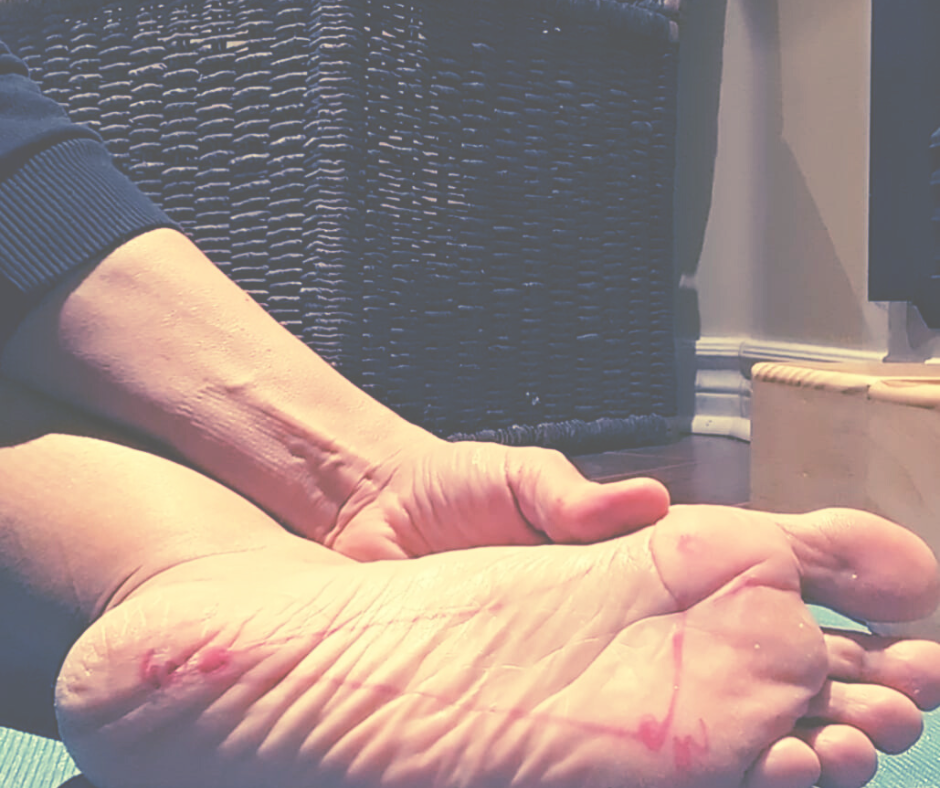
When we stand or walk efficiently, body weight is naturally supported by three points on each foot — the heel, the base of the big toe, and the base of the little toe. These points form a sturdy tripod, giving balance, absorbing shock, and helping the foot adapt to every step. From this tripod, the arches of the foot emerge and do their important work, keeping the whole body supported and stable. These three points truly form the base of every movement.

“These three points form your foot’s tripod, the base of every movement .Photo: © Claudia Hoyos”

Your feet are supported by three arches that work together in harmony. The medial arch runs along the inside of the foot, the lateral along the outside, and the transverse spans across the ball of the foot. These arches aren’t rigid—they move and adapt with every step, shift in posture, and change in movement, helping your body stay balanced, resilient, and ready for action.

https://www.pexels.com/photo/close-up-of-people-standing-on-tiptoes-on-yoga-mats-8436844/
The foot’s arches work dynamically to support posture, movement, and stability. @Yan Krukau

Pressure Patterns: What Your Feet Reveal

How pressure is distributed across the foot can give important clues about movement habits and compensations. You might even notice it in how your shoes wear down over time.

Pronation – Weight on the Base of the Big Toe
When weight consistently shifts toward the base of the big toe, it is commonly associated with pronation. The inside arch tends to flatten slightly, the foot rolls inward, and this can affect knees, hips, and pelvis. You might notice heels leaning outward, knees turning inward, or legs tiring more quickly. Pronation is natural, but excessive or habitual pronation can create imbalances. Understanding this pattern can help you move more comfortably-Learn more about improving foot alignment with our Alignment and Postural Integration Sessions

Supination – Weight on the Base of the Little Toe
When weight favors the outside of the foot, the foot rolls outward slightly, and the outer arch becomes more pronounced. You might notice heels leaning inward, legs feeling stiff, or reduced cushioning with movement. Recognizing this pattern can help you move more comfortably and protect your joints.

Heels – Weight at the Back of the Foot
When most of your weight rests on the heels, arches may not engage fully, toes might barely touch the floor, and forward propulsion while walking can feel limited. You might notice legs or lower back feeling heavy, or feet tiring quickly after standing. Awareness of this pattern helps you find balance, ease, and energy in your movements.

Ball of the Foot – Weight Forward
Excessive loading at the ball of the foot can overwork the forefoot and toes while reducing contact with the heel. You might notice tense toes, quick foot fatigue, or discomfort after short walks. Adjusting weight distribution helps reduce strain and move with more comfort.

Why This Matters

Understanding how your feet carry weight and how your arches function can make a real difference in how you move and feel. It supports balance, posture, and stability, reduces strain through the legs, hips, and back, and lays the foundation for more comfortable, confident movement every day.

Your feet carry your story with every step. Exploring how they bear weight can reveal subtle patterns that affect comfort and overall ease. Through gentle guidance in movement, touch, or mindful practice, you can discover how your foundation supports smoother, more confident movement — whether in daily life, during yoga, or in hands-on bodywork sessions. For For personalized guidance, check out our services

References

Kapandji, I. A. The Physiology of the Joints, Volume 2: Lower Limb. Churchill Livingstone.

Myers, T. W. Anatomy Trains: Myofascial Meridians for Manual Therapists & Movement Professionals. Elsevier.

Neumann, D. A. Kinesiology of the Musculoskeletal System. Elsevier.