
Your knees quietly guide your body through every step, squat, or bend. Paying attention to how they track and bear weight can reveal patterns that influence your posture, movement efficiency, and comfort. If you want to explore how your knees affect overall alignment and function, consider osteopathy sessions to support movement and joint health.
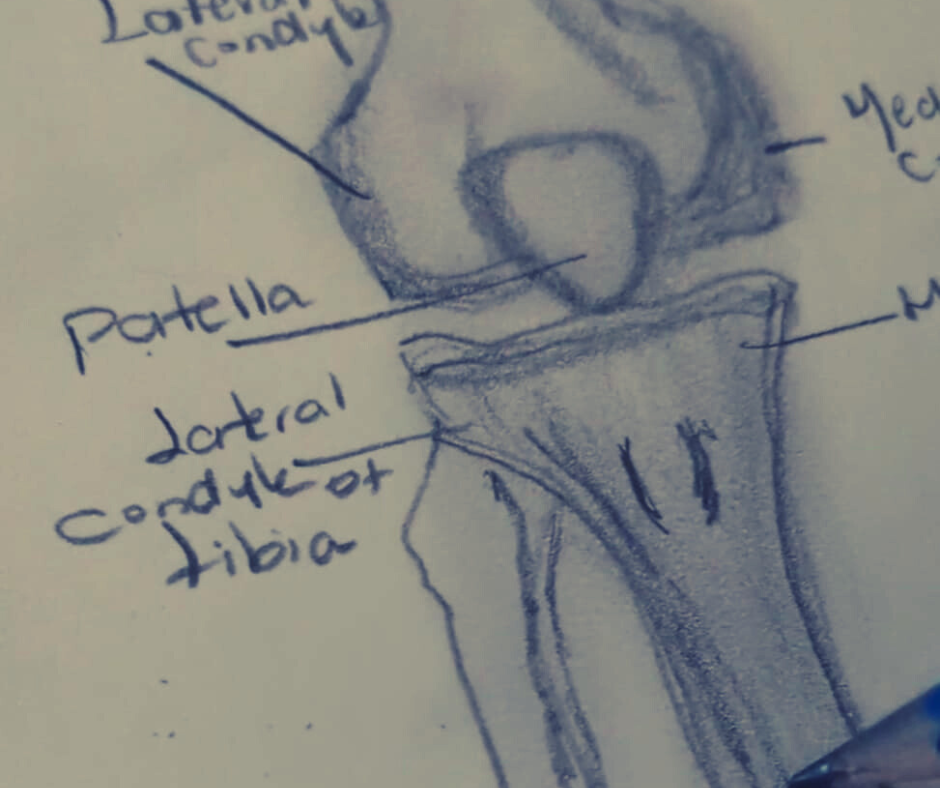
The knee connects the hip to the ankle and plays a pivotal role in absorbing shock, transferring forces, and maintaining balance. Proper alignment allows the quadriceps, hamstrings, glutes, and calf muscles to work efficiently, reducing strain on ligaments, cartilage, and surrounding tissues. When alignment is off, the kinetic chain is affected, sometimes leading to ankle, hip, or lower back discomfort. For a medically reviewed overview of knee structure and function, see this article from the Cleveland Clinic.
Healthy knees track in a natural line from the hip to the ankle. Observing weight distribution during standing or movement can reveal subtle compensations. For example, knees that collapse inward (valgus) or bow outward (varus) can affect hip, ankle, and spine alignment. Gentle awareness and movement can support alignment and reduce strain on the knee joint.
Common Knee Alignment Patterns
Valgus – Knees Collapsing Inward
When the knees angle inward, weight shifts unevenly through the joint, which can strain the inner knee, hips, and feet. This pattern often shows during squats, lunges, or standing postures. Recognizing this early can help improve alignment and prevent discomfort. Learn more about supporting proper knee alignment in our Alignment and Postural Integration Sessions.
Varus – Knees Bowing Outward
Weight shifts to the outer knee and may overwork the lateral joint structures. This can affect hip and ankle mechanics over time. Gentle exercises, strengthening, and awareness of knee tracking can protect the joint and maintain mobility.
Hyperextension – Locked Knees
Knees that lock or hyperextend under weight can reduce shock absorption and increase strain on ligaments and surrounding tissues. Observing and correcting movement patterns, along with strengthening stabilizers like the quadriceps and glutes, can support safe function.
Why Knee Alignment Matters
Good knee alignment helps distribute forces evenly, protects cartilage, supports balance, and integrates with hip, ankle, and spine mechanics. It enhances comfort in daily activities, workouts, and posture, helping the entire body move with ease and stability.
Your knees carry your story with every movement. Paying attention to how they track and bear weight can reveal patterns that affect comfort and overall function. Gentle approaches in movement, touch, or mindful practice- from Alignment and postural Integration, Osteopathy, and Yoga– can help you maintain healthy knees.
References
Kapandji, I. A. The Physiology of the Joints, Volume 2: Lower Limb. Churchill Livingstone.
Myers, T. W. Anatomy Trains: Myofascial Meridians for Manual Therapists & Movement Professionals. Elsevier.
Neumann, D. A. Kinesiology of the Musculoskeletal System. Elsevier.